





Plan your trip
Before you come
Polis is a ninety-minute drive from most of what people picture when they think of Cyprus, and that's exactly why people come. Here's what to sort out first.
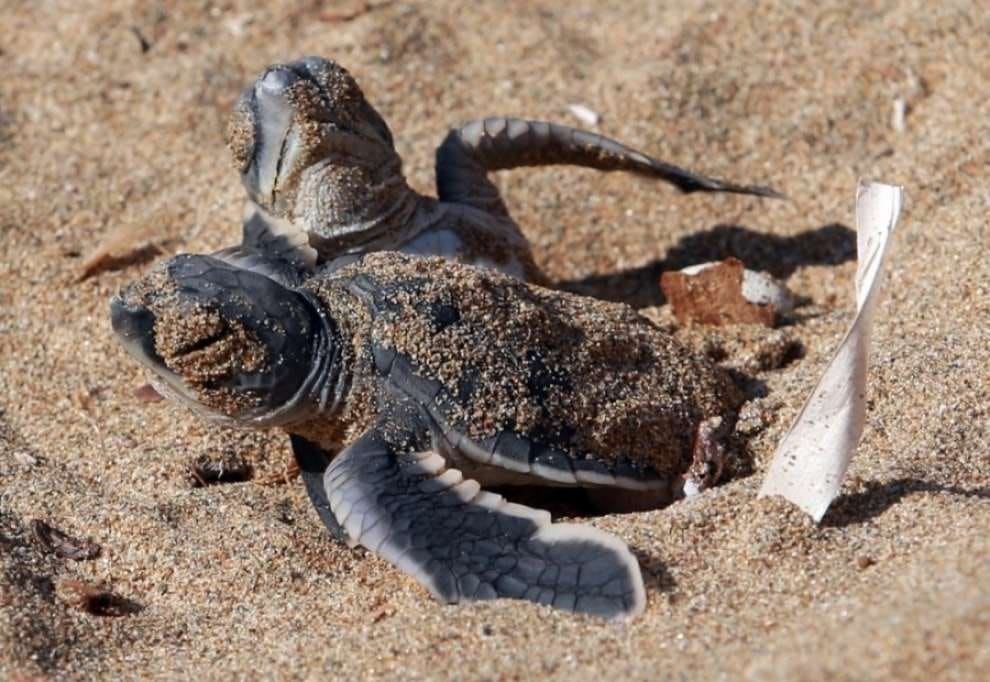
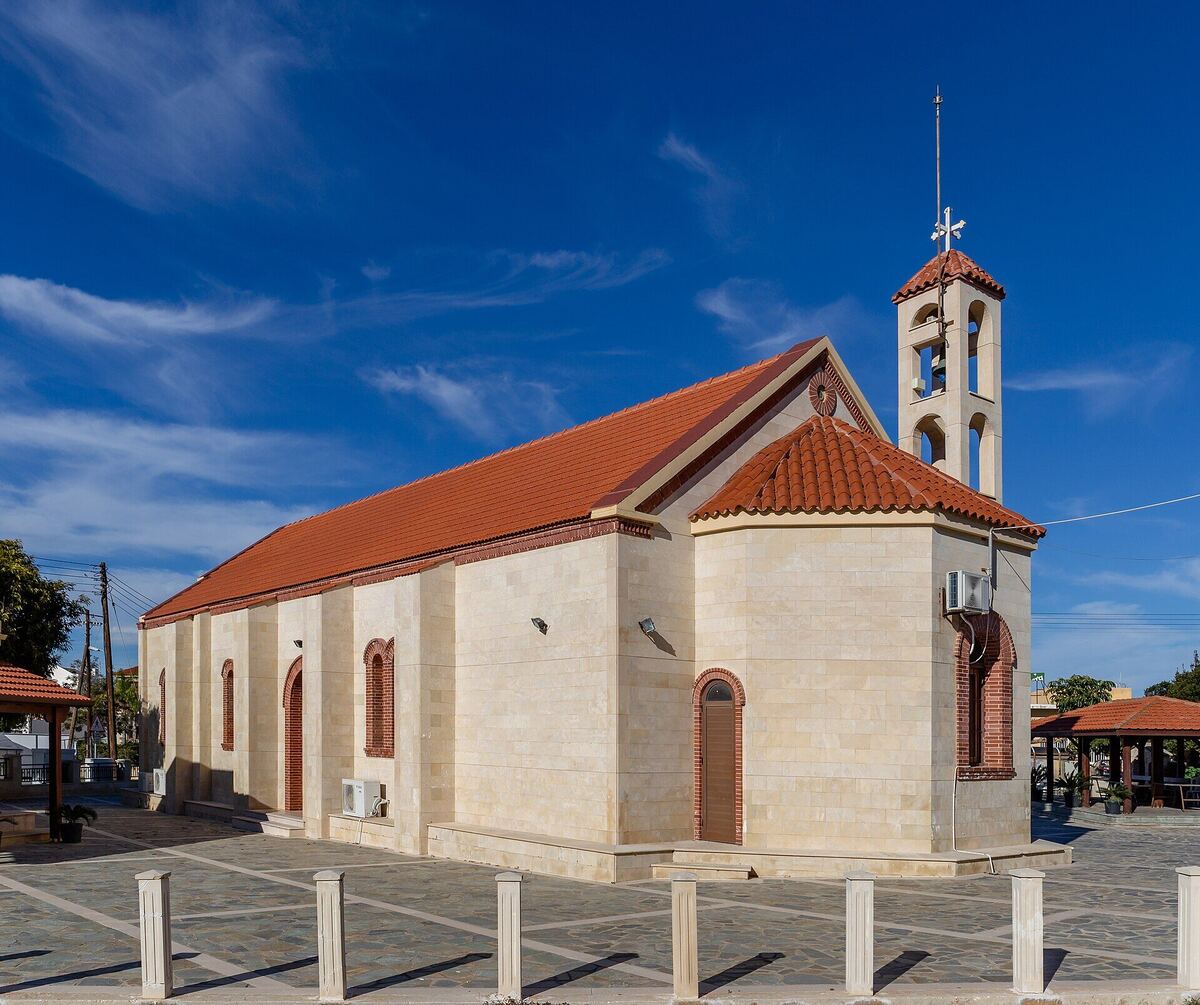
Photo: Michal Klajban, CC BY-SA 4.0

Getting here
Paphos International Airport (PFO) is the one to fly into. It's about 50 km south of Polis, usually around an hour by road, up the coast and then inland over the hills. Most of the summer charter flights from northern Europe land here.
Larnaca (LCA) has far more routes all year round, but it's on the other side of the island. Allow two to two and a half hours of driving. If the difference in fare is small, pay the extra for Paphos.
You can get a taxi or a pre-booked private transfer from either airport. In high season, book ahead. Turning up at Paphos arrivals at 23:00 in August and hoping to find a taxi to Polis is asking for trouble.
Getting around
Hire a car. If you want to see the region, you really need one. The beaches are spread along 30 km of bay, the hill villages are up a mountain road, and the buses are timed for people who live here, not for sightseeing. In Cyprus you drive on the left, and hire cars have red number plates.
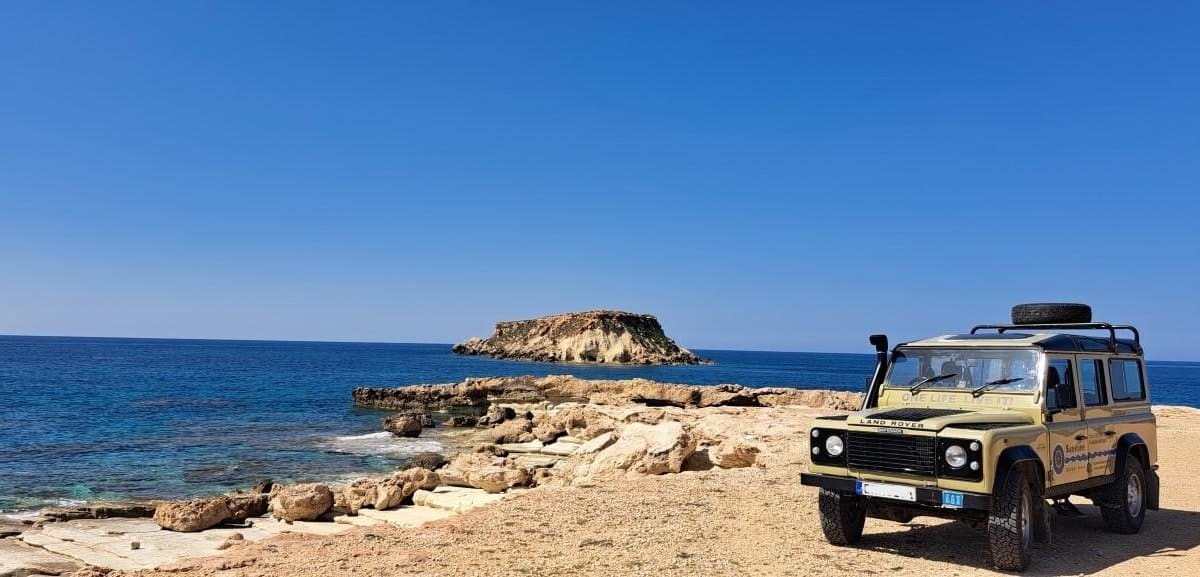
A warning about the Akamas. Almost every hire agreement in Cyprus stops covering you on unsurfaced roads, and the tracks across the Akamas peninsula are really rough. Ordinary hire cars get damaged out there every summer. If you want to reach the far side, take an organised 4x4 trip or go by boat. Place by place: can you drive there?
Buses do run between Paphos and Polis, and from Polis to Latchi and the villages around it, but there are far fewer in the evenings and at weekends. Routes, stops and the airport connection are on buses between Paphos and Polis.
See essentials for buses and taxis, and without a car for what a car-free trip here is really like.
When to come
July and August are the hottest and busiest weeks. Everything's open, every boat is running, and every seafront table is booked. Expect temperatures in the mid-thirties and very little rain.
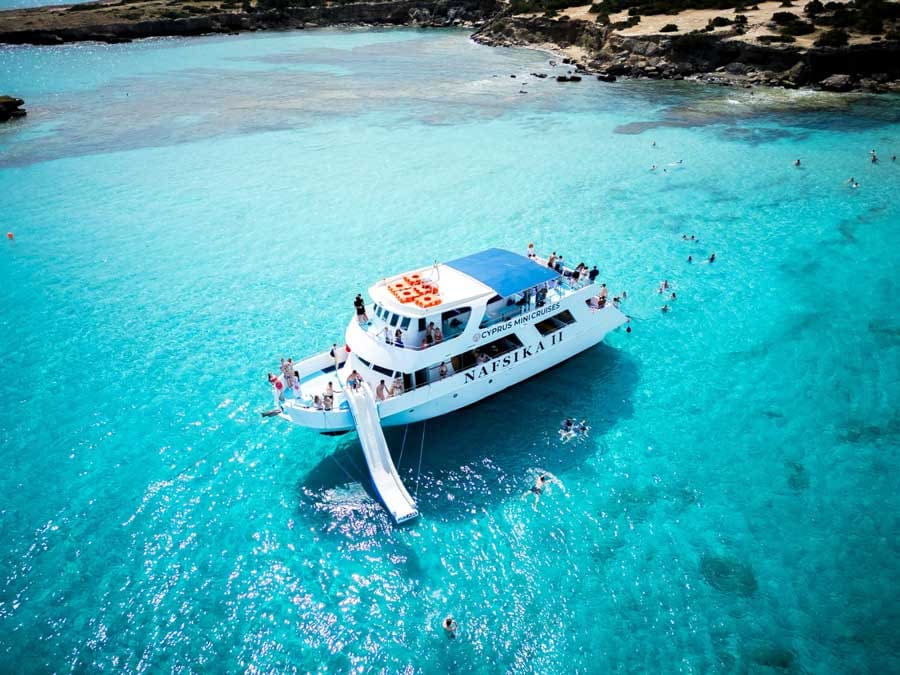
For most people, May, June, September and October are just better. The sea is warm from June right through to October, the heat is bearable, you can walk the trails at sensible times of day, and you can get a table. September especially is hard to beat.
Winter is green, quiet, and mild by northern European standards, but a lot of the seasonal restaurants, boats and watersports places close completely. Don't plan a winter trip around this site's listings without phoning ahead.
For the full breakdown, see when to visit month by month, and out of season for what winter here is really like.
Coping with the heat
What makes the biggest difference between a good summer day here and a miserable one is how you plan it. Locals aren't being lazy when they vanish between midday and four.
- Early morning: hiking, the first boats out, paddleboarding on flat water.
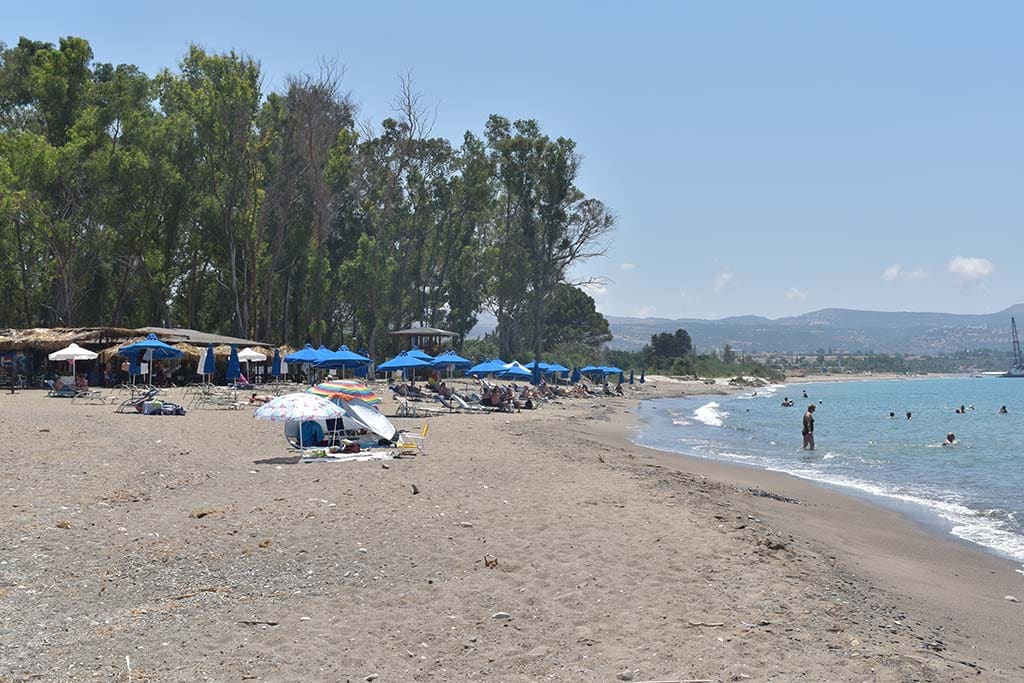
- Midday to late afternoon: shade, sea, or height. The eucalyptus grove behind Polis beach, the museum, or the hill villages, which are several degrees cooler.
- Evening: the coast comes back to life. Dinner rarely starts before 20:00.
Carry more water than you think you'll need, wear a hat, and take shade seriously. The Akamas has almost none.
For the very worst days there's a whole plan: the 38-degree day.
Practicalities
- Currency
- Euro (€). Cards are widely accepted, but small village coffee shops may still prefer cash.
- Language
- Greek. English is very widely spoken, especially during the tourist season.
- Plugs
- UK-style three-pin (type G), 240V. Bring an adapter if you're coming from mainland Europe.
- Time zone
- Eastern European Time: UTC+2, and UTC+3 in summer.
- Driving
- On the left.
- Tipping
- Not obligatory. Rounding up, or around 5–10% for good service, is normal.
Polis town has banks, ATMs, pharmacies and supermarkets around the square and the main street. It's a real town, not a resort, so you can get what you need without driving to Paphos.
Health & safety
- Emergency number: 112 anywhere in Cyprus, or 199.
- Sun. The UV index here in July is high enough to burn unprotected skin fast. Use high-factor sunscreen, and keep putting it on.
- Sea urchins. Common where you get in off the rocks around the Akamas coast. Water shoes solve it.
- Mosquitoes. Out in the evenings, especially near the groves and anywhere that's watered. Pack repellent.
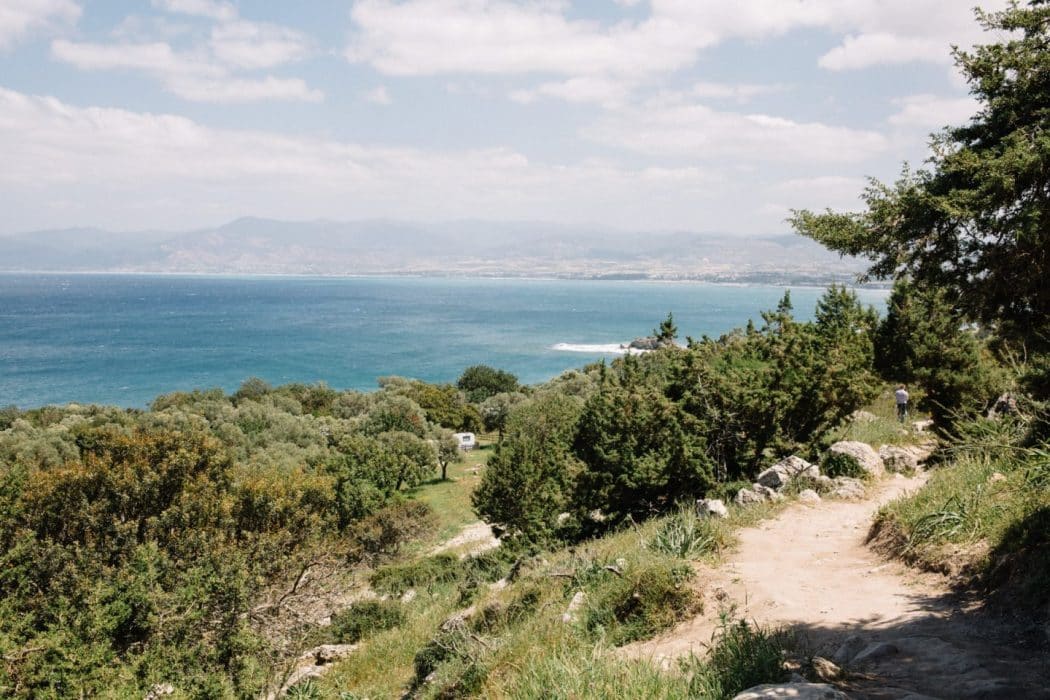
- Hiking. Mobile signal is patchy in the Akamas interior. Tell someone your route, and in summer don't start a long trail late in the day.
All the numbers and local services are on the essentials page.
Local etiquette
Polis is a working town where people live all year, not a resort strip. A few small things go a long way. Dress modestly when you visit a church, say hello when you walk into a shop, and don't be surprised if dinner is slow. Nobody's ignoring you; that's just the pace here.

Much of the Akamas is protected. Stay on marked trails, take your rubbish home, and if you're anywhere near a turtle nesting beach, keep off the sand at night and don't use lights.